Crypto Is Rigged Against Founders
85% of tokens launched in 2025 ended negative. Today's token launches introduce hidden costs that make it nearly impossible to recover from. It doesn't have to be this way.
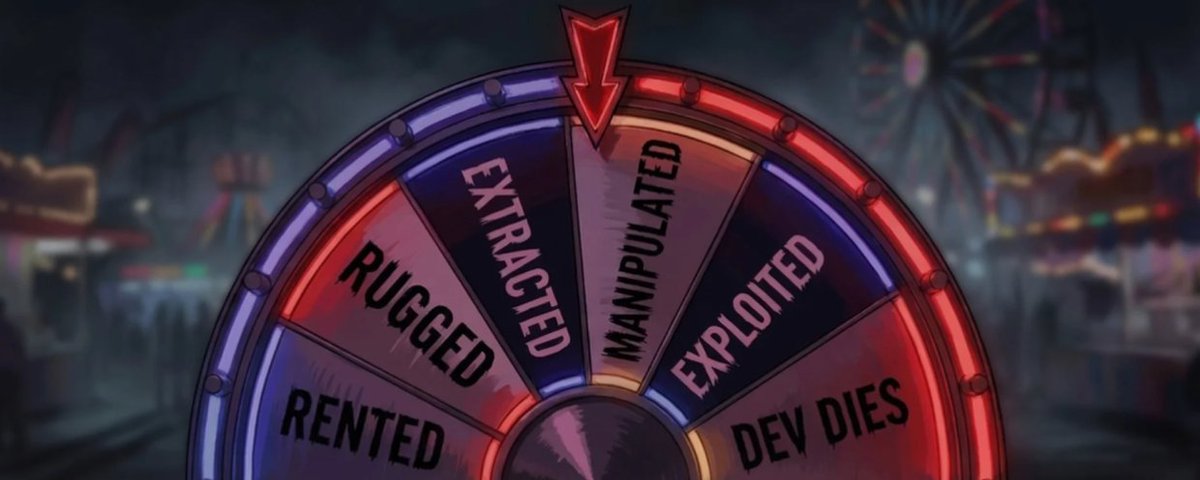
85% of tokens launched in 2025 ended negative. Today's token launches introduce hidden costs that make it nearly impossible to recover from. People will tell you this is how crypto always was and always will be. It doesn't have to be.
To get a token live and tradeable, projects must choose between centralized exchanges, professional market makers, or onchain liquidity. Each one comes with its own hidden costs that all produce the same result: sell pressure at launch.
Arrakis reviewed 125 token launches and confirmed this. 85% of tokens launched in 2025 ended negative, and only 9% of tokens that dropped in week one ever recovered. The damage happens before the token even hits the trading chart.
Centralized exchanges: the cost of distribution
Getting listed on a major exchange costs tokens. Projects report giving up 10% of total supply for a Tier 1 listing, plus months of due diligence that burns runway while you wait. Binance alone has teams stalled for months before they see a listing.
Founders convince themselves the distribution is worth the cost until they realize the exchange listing is the event that triggers the sell pressure: airdrop recipients dump and the listing you paid for in tokens becomes the venue of price destruction.
Market makers: the cost of manipulation
Once listed, tokens need liquidity. Market makers offer a standard deal: loan us your tokens at a set price, and we provide liquidity. If we don't deliver, we return the tokens at a higher price after a year. Sounds reasonable but in reality: the MM may dump your loaned tokens, break service-level agreements, and trade against you at the cost of your chart and your community's trust.
For instance, CoinDesk investigated @movement_xyz MOVE token and found that @Web3Port_Labs dumped 66M tokens one day after the Binance listing. Movement's own general counsel had called the deal "possibly the worst agreement I have ever seen". Binance banned the market maker, Coinbase delisted the token and the co-founder was suspended.
The deal is designed for the MM to win and for projects to lose. Some founders know what they're signing. Others get misled. Either way, the cost is the same.
Onchain liquidity: the cost of renting
Some projects skip the middlemen and go onchain:
- Deploy a passive Uniswap V2 pool and hope for the best
- Try to manage concentrated V3 positions manually
- Bribe LPs through emissions programs paying with your own tokens
Going onchain removes the counterparty, but not the cost. Founders still need to understand how tokenomics impact their liquidity, manage pool positions as supply changes, and spend their own token supply to attract third-party LPs who leave when incentives dry up.
For instance, when $SYND launched on @AerodromeFi, the project allocated 1% of supply to bribe voters. The data shows that the majority of those wallets sold them immediately upon launch, translating to 1,729 ETH (~$7.78M) in sell pressure in the first week alone. Even worse, the liquidity churned when incentives ended, making the entire program a temporary benefit with a permanent cost.
Every path leads to the same place: the token gets dumped, insiders get paid, and buyers get rekt.
Token Owned Liquidity
Baseline built an AMM where tokens own their liquidity. The design inverts every cost described above:
- No unnecessary sell pressure: the token's own supply bootstraps the liquidity, no bribes or loans to third parties who dump it
- Permanent liquidity: value stays in the pool and compounds from trading activity, instead of leaving when incentives rotate
- Asset, not a liability: trading fees and reserves accrue back to the token's balance sheet, not to external counterparties
To demonstrate what's possible, we simulated an existing onchain liquidity strategy against a Baseline pool. The results were impressive:
- Price: +59.6% higher from identical trade flow
- Liquidity growth: +267.7% more liquidity to sell into
- Supply control: +200.5% more tokens pulled out of circulation
- Fees: +81.1% more collected in trading fees without impacting tradeability
If you're interested in learning more about Baseline, check out our docs.
If you're launching a token or running one that's costing you, we can simulate your trade data and show you the difference. DM @basedbooo or join our Discord.