Your Token Is Leaking Value
Using $GAME's historical trade data, we simulated how a token performs when liquidity is owned instead of rented. The results were hard to ignore.

Baseline built an AMM where tokens own their liquidity and retain value over time. Using $GAME's historical trade data as a benchmark, we simulated how a token would perform if liquidity was owned instead of rented from external LPs. The results were hard to ignore:
Better price performance, stronger reserve backing, healthier supply dynamics, and improved value capture.
The simulation
$GAME is an AI agent (@GAME_Virtuals) built on @virtuals_io whose main liquidity pool is on Aerodrome.
We replayed $GAME's entire trade history (over 980K trades) through a Baseline pool. Here's what we found:
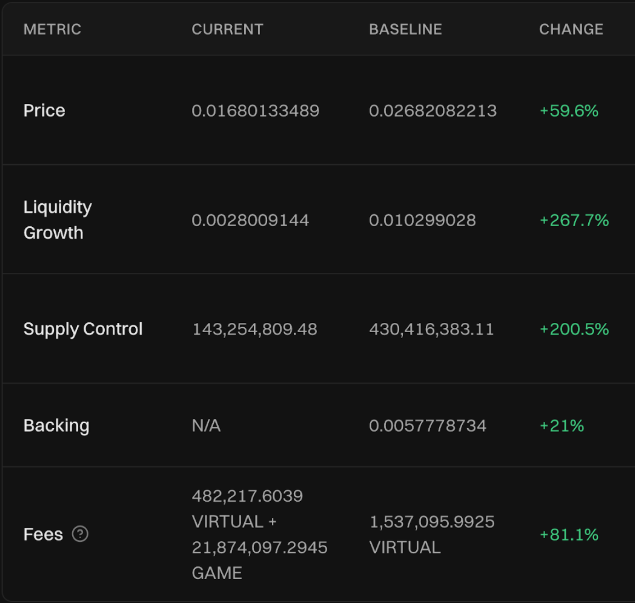
- Price: +59.6% higher from identical trade flow
- Liquidity growth: +267.7% more reserves backing each circulating token
- Supply control: +200.5% more tokens pulled out of circulation
- Backing: +21% growth in guaranteed floor price
- Fees: +81.1% more collected in trading fees without impacting tradeability
Where traditional pools fail
Traditional liquidity pools (such as Uniswap and Aerodrome) quote prices using pool inventory and without considering circulating supply. This creates a mismatch between the price and the liquidity supporting that price.
Baseline's pool ended with +59.6% higher price than the standard pool.
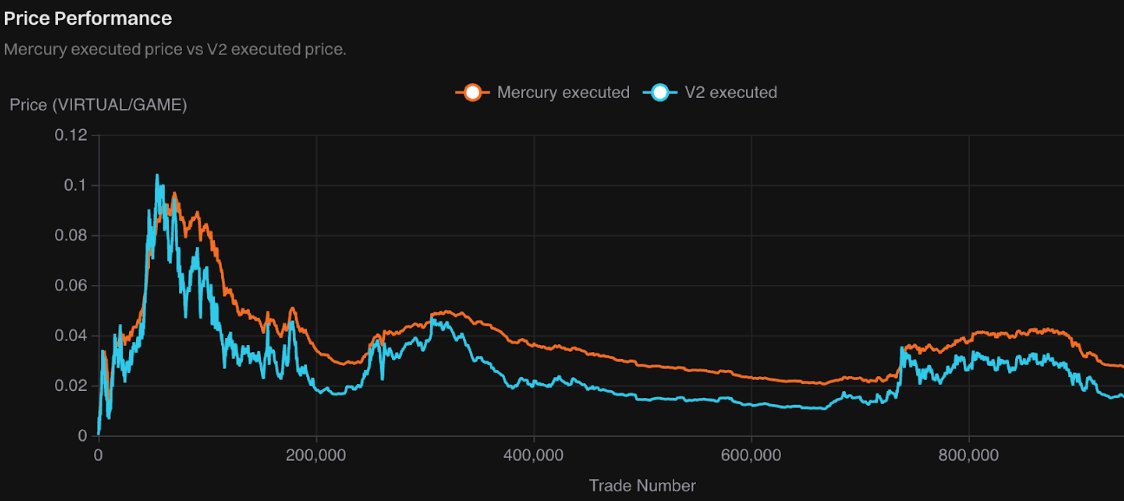
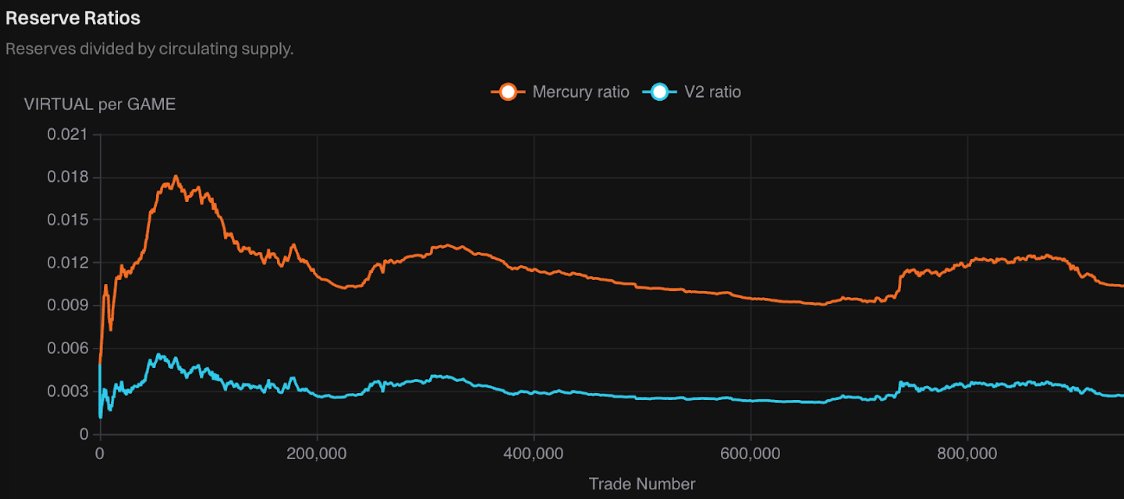
Traditional pools are reactive to market flows. Reserves per token thin out during expansion and rebuild too slowly during contraction, leaving weaker support behind each token.
Baseline ended with 267.7% more reserves per circulating token, meaning more liquidity backing the float.
Traditional pools can't distinguish between tokens in the pool and tokens floating in the market.
Baseline quotes based on available float, absorbing 200.5% more tokens and leaving less supply to act as future sell pressure.
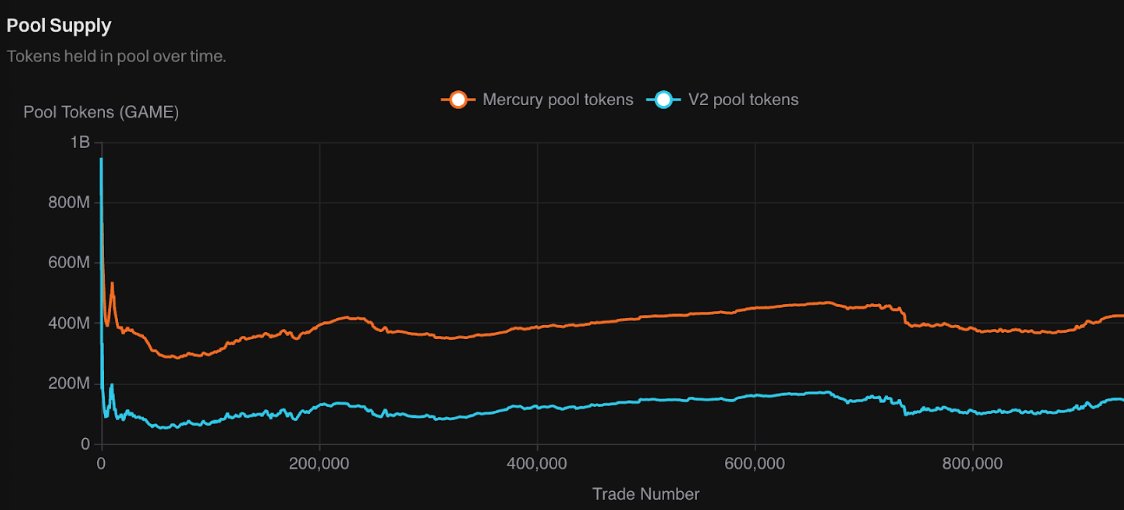
Said another way, Baseline was able to reduce floating supply by 33.5%.
Traditional pools have no concept of a floor: the only value guaranteed is zero. Baseline channels a portion of every trade into a guaranteed floor that grew 21% over the simulation. When backing grows, downside compresses and the token feels safer to hold.
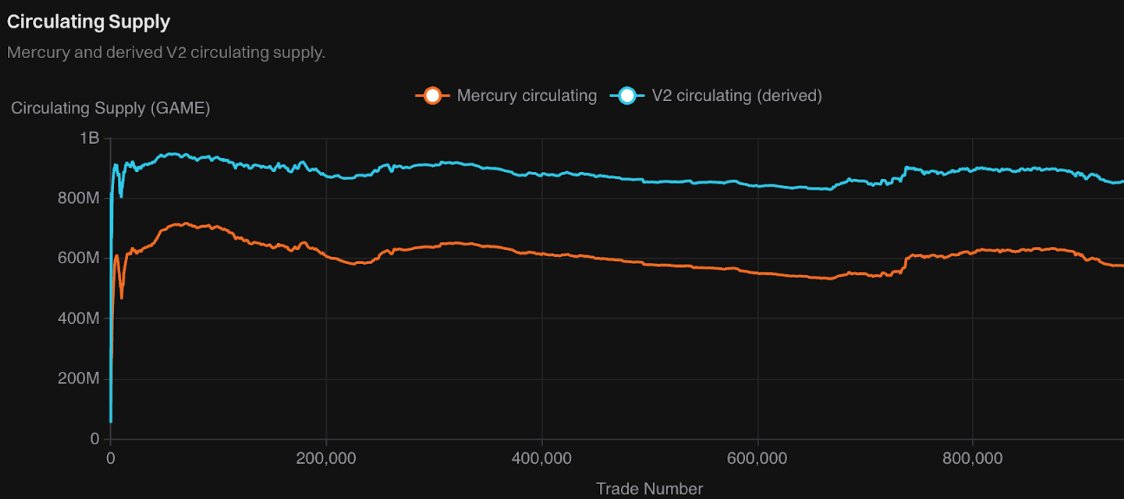
Traditional pools apply static fees with no consideration for market conditions. Mercury keeps spreads competitive while dynamically shifting fees based on market premium, generating +81% more surplus.
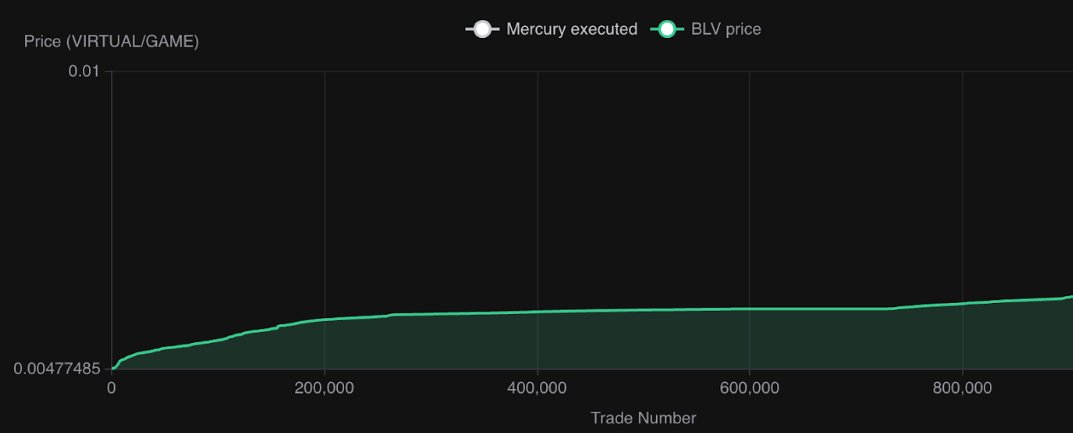
Note that while the simulation looks purely at pool performance, Baseline tokens offer far more in utility including trading fee capture, staking, borrowing, and leverage, all of which generate activity that flows back into the token.
Why this matters
Your token is leaking value because the onchain liquidity pools (Uniswap, Aerodrome, etc) were never designed to retain it. When tokens own their liquidity, they stop acting like liabilities and start compounding like assets.
If you're launching a token or running an existing one that's bleeding value, we can run simulations and show you the difference. Drop into our Discord or check out our docs.